
The Quick Answer
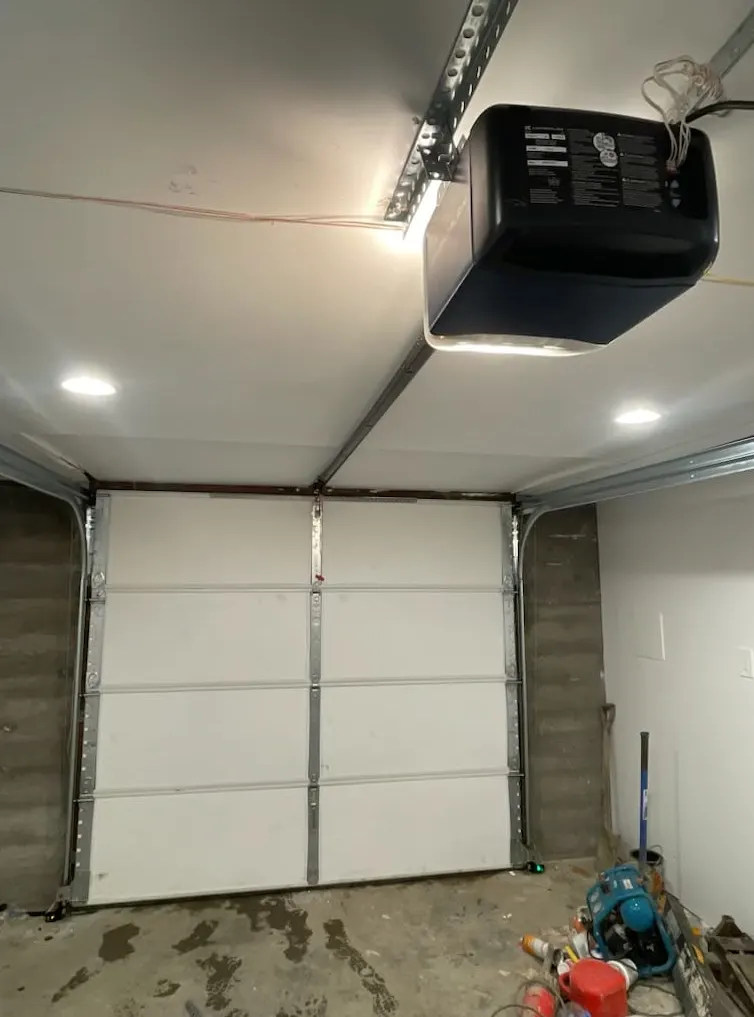
Pull the red emergency release cord hanging from the trolley to disconnect the door from the opener, then lift or lower the door by hand using the handle and side grips. Once power is restored, pull the cord toward the opener again (or follow the lever back into place) and run the door through one full cycle to confirm the trolley has reconnected before you trust it with the remote again.
Tools You Need
- A step stool, if your release cord hangs high or you're shorter than the bracket
- Work gloves, since panel edges and the cord itself can be gritty from salt air and humidity
- A flashlight or phone light for outages after dark
- Nothing else — this is a manual operation by design, no tools required to pull the release
Step-by-Step: Opening the Door by Hand
- Make sure the door is fully stopped and not mid-cycle. If it was moving when the power cut out, wait a beat before touching anything.
- Locate the emergency release cord, usually a red handle hanging from a track near the top of the door.
- Pull the cord straight down and toward the opener motor. You'll feel or hear a small click as the trolley disconnects from the drawbar.
- With both hands on the door's horizontal handle or the bottom edge, lift slowly and steadily. A properly balanced door should rise with moderate effort, not a fight.
- Prop the door open if you need it open for a while — vise grips clamped to the track below the bottom roller work well as a temporary stop.
Step-by-Step: Closing and Securing the Door
- Remove any props or clamps from the track.
- Lower the door by hand, keeping it centered so it doesn't bind against one track.
- Push down until it seats fully against the floor or weatherstrip — don't leave it part-open during storm conditions, since wind-load pressure can work a gap wider.
- If your door has a manual lock bar (common on older installs), engage it for security while the opener is offline.
Re-Engaging the Opener Once Power Returns
- With the door fully closed, pull the release cord again, this time toward the door itself, or follow the lever arm back into its original locked position — check your opener's manual for which direction applies to your model.
- Listen for the trolley to click back into the drawbar track.
- Test with the wall button first, not the remote, so you're standing close enough to hit the emergency stop if something sounds off.
- Run a full open-close cycle and watch the door's path. It should move smoothly without jerking, grinding, or stalling partway.
What You Can Safely Do vs. What Needs a Technician
Pulling the release, lifting the door, and reconnecting the trolley are all normal homeowner tasks — this system exists specifically so you're not locked out during a storm-related outage. Where you should stop and call for help:
- The door feels heavy, uneven, or drops suddenly when you pull the release — that's almost always a spring problem, and springs are under enough tension to cause real injury.
- The door won't stay in the track or came off one side — this is an off-track issue and forcing it further can bend the track or rollers.
- The trolley won't reconnect, or the door runs but makes a grinding or clicking noise it didn't make before.
- You smell burning or notice the opener motor is hot to the touch after the outage.
Why This Matters More Here
Power outages tied to hurricane-season storms often come with wind and rain at the same time, so a door stuck half-open isn't just inconvenient, it's an opening for wind-driven water and pressure to get into the garage. Afternoon humidity and salt air also mean release cords, hinges, and tracks corrode or swell faster than they would inland, which is part of why a cord can feel stiff or a door can bind even when the opener itself is fine. A quick seasonal check of these components before storm season peaks saves you from discovering a stuck release cord mid-outage.
When to Call West Palm Beach Door & Opener
If the manual release leaves the door uneven, hard to lift, or off its track, that's not a DIY fix — it's a sign of spring wear or track damage that needs hands-on diagnosis. Our Off Track Door Repair service gets the door back on its rails without further bending the hardware, and if the opener itself is struggling to reconnect or cycle properly afterward, our Garage Door Opener Installation team can repair or replace it with a model built for frequent storm-season outages. A seasonal Garage Door Maintenance & Tune-Up is also a good way to catch cord and track corrosion before it turns into a 2am problem.
If your garage door gave you trouble during the last outage, call West Palm Beach Door & Opener for fast, honest service across West Palm Beach, FL and the surrounding Palm Beach County area.